Monday, December 19, 2016

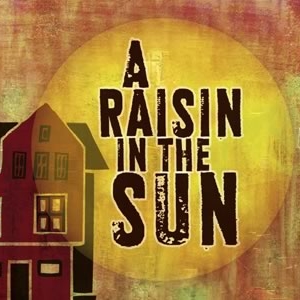
Journal #3 Revised (A Raisin in the Sun)

“Standing out in the Crowd”
By: Bridget Robinson

 Photo Source Link:
https://www.google.com/search?q=selma&biw=1366&bih=638&source=lnms&tbm=isch&sa=X&ved=0ahUKEwjS8YCM04HRAhVC7IMKHUFlDHoQ_AUICCgD&dpr=1#tbm=isch&q=a+raisin+in+the+sun&imgrc=4BMSKPwbL-ggyM%3A


            "A Raisin in the Sun" is a play written by Lorraine Hansberry that takes place in the Southside of Chicago during the 1950's and is about a lower-class African American family and the struggles that they face in making an important decision. The main characters in this story include; Mama, Walter, Beneatha, Travis, and Ruth. After the father figure passed away, the family is informed that they are in line to receive a $10,000 insurance check in regards to net worth. The family becomes excited but is then faced with a very difficult decision which is how they should spend the money. Each member in the family has their own aspirations and ideas about how to spend the money. Mama, had dreams with her husband to buy a house and thrive in comfortable living and with this said, Ruth agrees with Mama. Walter had his own unique thoughts and longed to open up his own liquor store with his friends. The reason behind this is Walter believes it will help to end the family's financial instability and bring an economic constant into their lives. However, Beneatha is studying to become a doctor and can use all the financial support she can get, arguing that the money should go towards her education - she also wishes her family would not be so set on joining the "white world". As the play progresses, Ruth discovers she is pregnant but is worried about telling her family because of the financial strain she fears will occur and considers having an abortion. Mama ends up placing a down payment on the home and many people in the neighborhood become skeptical about living with those of the African American race. This results in the Clybourne Park Improvement Association sending in a man, Mr. Linder, to their home in hopes of buying them out of the property so they will no longer move into the neighborhood. After refusing the money from Mr. Linder, Walter also loses the rest of the money to Willy Harris who runs off with the money after convincing Walter to invest in a liquor store. This does not go over well with the family and, after a few internal conflicts with the family regarding Walter and his wife, they proceed to move-in anyways. Beneatha is proposed to by her Nigerian boyfriend and the family moves out of their apartment and fulfill their dreams regardless the racism in the neighborhood, reoccurring finical struggles, and having to be successful on their own.

            Overall, I believe this play shows the true colors of this time period and shows when integrity really meant something to one's self and others. An underlying message that is shown throughout this play is to stick with your gut and stay true to who you are even when times become hard. This play exemplifies the difficulties of living in colored communities and how discrimination was so common for African Americans and why it was so shocking when families, such as the Youngers, decided to go their own way and create a new and bright future for themselves. Fear should not stop anyone from following their dreams and pursing what is best for themselves and others. When I was growing up, one of my friends was African American and her dad used to tell us stories about how when we was growing up, he would face racial challenges. For instance, in school the kids would sometimes try to bribe him out of clubs being that segregation was still slightly highlighted in the communities he grew up in. This play represented the future for African Americans and their exploration of their newly founded rights.

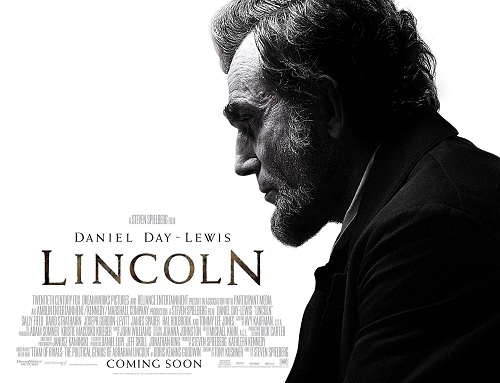
Journal #2 Revised (Lincoln)

“A Defining Moment in History”
By: Bridget Robinson

Photo Source Link:
https://www.google.com/search?q=selma&biw=1366&bih=638&source=lnms&tbm=isch&sa=X&ved=0ahUKEwjS8YCM04HRAhVC7IMKHUFlDHoQ_AUICCgD&dpr=1#tbm=isch&q=lincoln+the+movie

            In the film, "Lincoln", directed by Steven Spielberg, the great journey that President Lincoln went through to either abolish slavery through the thirteenth amendment or end the civil war was portrayed. This film depicts all the major conflicts he faced when trying to abolish slavery and showed the audience the course of events that occurred during his second term of presidency. One might think that beyond the major plot line this film is about dedication and standing your ground on what you think is right when the world around you seems to think differently. 
            I did not particularly care for this film because there was too much dialogue for my liking and the audio for speaking in the film was not very clear and concise. I did like how historically accurate the film was and how in the beginning of the film when President Lincoln was having a conference with major political leaders and military men, Spielberg emphasized the great passion everyone in the room held with the subject at hand - which was the passing of the thirteenth amendment. I greatly liked how they portrayed Lincoln to be an honorable man and kept his relationship with the people around him real - being he had problems with his wife and respected those around him. 

            Prior to this film, I had a great amount of knowledge about slavery but did not know much about the thirteenth amendment and the many difficulties and obstacles our former leaders had to overcome to get our nation to where it is today. I did not know that so many government officials were against passing the thirteenth amendment. I learned the different reasons people were opposed to this amendment, whether it be fear or the major loss in free labor, and that the Civil War was also going on at this time. It was interesting to watch the opening scene when all the soldiers were fighting on the battle field and yet once they were in the presence of President Lincoln, they showed great respect and even recited his most famous speech, the Inaugural Address. 

Journal #1 Revised (Selma)


“A Movement Towards a Brighter Future”
By: Bridget Robinson


Photo Source Link: https://www.google.com/search?q=selma&biw=1366&bih=638&source=lnms&tbm=isch&sa=X&ved=0ahUKEwjS8YCM04HRAhVC7IMKHUFlDHoQ_AUICCgD&dpr=1

            In the film, "Selma", the audience is shown events that occurred during the Civil Rights Movement that took place in the 1950's. This movie goes into detail to depict the struggles of the movements leader, Martin Luther King Jr., as well as showing his accomplishments. I was surprised to learn how gruesome and violent some of the events that occurred were. Beyond the major themes throughout this movie, it reminds the audience that our freedom comes at a cost and to not take our rights and safety for granted. This film also creates a tribute to those who have given their lives to get America to the equal social standard it is at today and not have these heroes be forgotten. This film is about reminding the audience that all are created equally and the kind of effort so many individuals gave to support this movement.
            I do really like this film because of it's historical accuracy and how it tugs at the heart strings of the audience in an effort to prevent this kind of unfortunate event from happening again. Some parts of the movie seemed to drag on and there was more dialogue than I prefer at some parts but the scene at the Montgomery bridge was beautifully acted out and put together. Having actual footage of this event at the bridge recaptured my attention and made-up for the less exciting parts of the film. Another scene from the movie that really sparked my interest was in the very beginning when the children were bombed in the church. The was the first time the audience was shown a dramatic, horrific scene that gave them an idea of what this movie's theme and tone would encompass. The threatening phone calls Mrs. King received gave a more realistic and personal appeal to the movie and added suspense to the overall feel of that moment.

            Having grown up with my best friend being African American, this film really hit home for me. It made me ponder the thought of how my life might have turned out differently had I grown up during this time period and if I ever would have met my best friend. My prior knowledge of the Civil Rights Movement before this film was quite extensive, being that I took in-depth history courses in high school, so the accuracy of this film was very easy for me to tell and did help me to shape my evaluation of this film.

Saturday, November 26, 2016

A Raisin in the Sun


A Raisin in the Sun 

By: Bridget Robinson

"A Raisin in the Sun" is a play written by Lorraine Hansberry that takes place in the Southside of Chicago during the 1950's and is about a lower-class African American family and the struggles that they face in making an important decision. The main characters in this story include; Mama, Walter, Beneatha, Travis, and Ruth. After the father figure passed away, the family is informed that they are in line to receive a $10,000 insurance check in regards to net worth. The family becomes excited but is then faced with a very difficult decision which is how they should spend the money. Each member in the family has their own aspirations and ideas about how to spend the money. Mama, had dreams with her husband to buy a house and thrive in comfortable living and with this said, Ruth agrees with Mama. Walter had his own unique thoughts and longed to open up his own liquor store with his friends. The reason behind this is Walter believes it will help to end the family's financial instability and bring an economic constant into their lives. However, Beneatha is studying to become a doctor and can use all the financial support she can get, arguing that the money should go towards her education - she also wishes her family would not be so set on joining the "white world". As the play progresses, Ruth discovers she is pregnant but is worried about telling her family because of the financial strain she fears will occur and considers having an abortion. Mama ends up placing a down payment on the home and many people in the neighborhood become skeptical about living with those of the African American race. This results in the Clybourne Park Improvement Association sending in a man in hopes to buy them out of the property so they will no longer move into the neighborhood. After refusing the money from Mr. Linder, Walter also loses the rest of the money to Willy Harris who runs off with the money after convincing Walter to invest in a liquor store. This does not go over well with the family and, after a few internal conflicts with the family regarding Walter and his wife, they proceed to move-in anyways. Beneatha is proposed to by her Nigerian boyfriend and the family moves out of their apartment and fulfill their dreams regardless the racism in the neighborhood, reoccurring finical struggles, and having to be successful on their own.

Overall, I believe this play shows the true colors of this time period and shows when integrity really means something to one's self and others. An underlying message that might be shown throughout this play is to stick with your gut and stay true to who you are even when times become hard. This play exemplifies how the ways of living in colored communities was so common for African Americans and why it was so shocking when families such as this family decided to go their own way and create a new and bright future for themselves. Fear should not stop anyone from following their dreams and pursing what is best for themselves and others. When I was growing up, one of my friends was African American and her dad used to tell us stories about how when we was growing up, he would face racial challenges like this in school and how the kids would try to bribe him out of clubs being that segregation was still slightly highlighted in the communities he grew up in. This play represented the future for African Americans and their exploration of their newly founded rights,


Sunday, November 6, 2016

Lincoln


Lincoln
By: Bridget Robinson
In the film, "Lincoln", directed by Steven Spielberg, the great journey that president Lincoln went through to abolish slavery through the thirteenth amendment and end the civil war was portrayed. This film depicts all the major conflicts he faced when trying to abolish slavery and showed the audience the course of events that occurred during his second term of presidency. One might think that beyond the major plot line this film is about dedication and standing your ground on what you think is right when the world around you seems to think differently. 

I did not particularly care for this film because there was too much dialogue for my liking and the auto for speaking in the film was not very clear and concise. I did like how historically accurate the film was and how in the beginning of the film when President Lincoln was having a conference with major political leaders and military men, Spielberg emphasized the great passion everyone in the room held with the subject at hand - which was the passing of the thirteenth amendment. I greatly liked how they portrayed Lincoln to be an honorable man and kept his relationship with the people around him real - being he had problems with his wife and respected those around him. 

Prior to this film, I had a great amount of knowledge about slavery but did not know much about the thirteenth amendment and the many difficulties and obstacles our former leaders had to overcome to get our nation to where it is today. I did not know that so many government officials were against passing the thirteenth amendment. I learned the different reasons people were opposed to this amendment, whether it be fear or the major loss in free labor, and that the Civil War was also going on a this time. It was interesting to watch the opening scene when all the soldiers were fighting on the battle field and yet once they were in the presence of President Lincoln, they showed great respect and even recited his most famous speech, the Inaugural Address. 


Wednesday, October 26, 2016

Selma


Selma Reaction:
By: Bridget Robinson


In the film, "Selma", the audience is shown events that occurred during the Civil Rights Movement that took place in the 1950's. This movie goes into detail to depict the struggles of the movements leader, Martin Luther King Jr., as well as showing his accomplishments. I was surprised to learn how gruesome and violent some of the events that occurred were. Beyond the major themes throughout this movie, it reminds the audience that our freedom comes at a cost and to not take our rights and safety for granted. This film also creates a tribute to those who have given their lives to get America to the equal social standard it is at today and not have these heroes be forgotten. This film is about reminding the audience that all are created equally and the kind of effort so many individuals gave to support this movement. 

I do really like this film because of it's historical accuracy and how it tugs at the heart strings of the audience in an effort to prevent this kind of unfortunate event from happening again. Some parts of the movie seemed to drag on and there was more dialogue than I prefer at some parts but the scene at the Montgomery bridge was beautifully acted out and put together and having actual footage of the event also included recaptured my attention and made-up for the less exciting parts of the film. Another scene from the movie that really sparked my interest was in the very beginning when the children were bombed in the church. The was the first time the audience was shown a dramatic, horrific scene and gave them an idea of what this movie's theme would encompass. The threatening phone calls Mrs. King received gave a more realistic and personal appeal to the movie and added suspense to the overall feel of that moment. 

Having grown up with my best friend being African American, this film really hit home for me. It made me ponder the thought of how my life might have turned out differently had I grown up during this time period and if I ever would have met my best friend. My prior knowledge of the Civil Rights Movement before this film was quite extensive, being that I took in-depth history courses in high school, so the accuracy of this film was very easy for me to tell and did help me to shape my evaluation of this film. 


Sunday, October 23, 2016

Where's Stevie?

Where’s Stevie?
By: Bridget Robinson, Gabriel Affeldt, Alex Page
The journey started on the first floor, as we made our way to the encyclopedias. As we veered around the corner we found our first clue with great excitement.
After roaming through the library, we stumbled across the Natural History Museum. With Al’s great detective skills found our next clue- a giant shark.
After snapping a picture, we headed upstairs, looking for the newspapers/periodicals to find the newest addition of “The Pointer”. Detective Gabe noticed out of the corner of his left eye this next clue which then allowed us to move on to the next clues location.
Next thing we knew we were headed up one more floor and found the next clue, which was located with the CD’s. At this point the newest detective joined the group - detective Bridget Robinson.
Then suddenly, the kidnapper was spotted as he was dashing away by detective Robinson. She described the kidnapper as a quick individual wearing dark clothing. As we proceeded to follow him, we found ourselves on the fourth floor where the next clue just happened to found.
The, suddenly, there was a potential hostage situation! We all bolted to the elevator to get to the fifth floor in hopes of finding the hostage which would lead us to our next clue, a letter. As we walked past the archives, the computer stations, and the lounge we knew we were getting close. A very bright green shelving became very apparent to us and became the key to our success.
We looked through these shelves to find the subject “zoology”. The hostage was being held close by!


Word on the street was the kidnapper was last seen on the sixth floor, so that was our final destination. This floor, containing important publications, also have posters hanging on the sides of library aisles.The poster that caught our attention contained a description of the SuDocs call numbers and the first two letters supplied us with our last
few clues.
Finally, as we put all our clues together we concluded that together they came together to spell the word “ARCHIVES”. To our amazement as we opened up the doors to the archives on the fifth floor we found Stevie! Hard work truly pays off!

Wednesday, September 21, 2016

My Life as a Dog

"My Life as a Dog" 
By: Bridget Robinson

(Source: Yahoo Images - Dogs)

    I thought this essay was very eye-opening and the author wanted to get across to a large audience the idea of how much dogs impacts humans' lives everywhere. Being a dog owner myself, I related greatly to the content within this essay being that dogs are a lot of work but you love them regardless the responsibilities that come with owning them. "My Life as a Dog" written by Jonathan Foer is an essay that shows the logic behind a dogs actions and why they need to express certain behaviors and expresses the importance of conserving parks in cities as well as the benefits of owning a dog.
    Something new and interesting that I learned from this essay was that Central Park's real estate would be worth more than $500 trillion if it was sold for a profit. The point of this statement in this essay is to show that even though the park is worth this much money, the city refuses to sell it because of the importance the land has to both humans and animals, such as dogs. According to Foer, the more the dogs are able to run around and expel energy, the happier and less aggressive they behave. This interests me because in today's economy and with how twisted/greedy the market is in major cities, I would have expected for major real estate buyers and sellers to try to sell parts of the park to make a profit but the importance of this land overruled the economy. I thought it was also interesting learning about the way a dogs physical activity level impacts their behavior.
    I strongly agree that dogs positively impact humans lives and that we need to continue to make an effort to conserve this planet and that "nothing facilitates indifference or forgetfulness [as] much as distance" (Foer 216). I agree and connect with this personally because I have lived life both with and without a dog and have come to the conclusion that my life felt more complete with a dog in it. Also, our planet is a delicate system that needs to be maintained and taken care of because global warming is changing our seasons as well as our weather patterns which are upsetting habitats and the animals in them. Humanity is the cause of these environmental changes therefore we must continue to conserve the planet.
    A point I feel the author should have considered when writing this essay was including a more detailed list of all the responsibilities a dog owner has when owning a dog to show the audience just how much dog owners love their dogs.

Source of picture:
 http://images5.fanpop.com/image/photos/25600000/DOG-ssssss-dogs-25606625-1024-768.jpg